What Is Slow Fashion? A Guide to Conscious Dressing in 2026
What is the need to embrace slow fashion? Well, there is no Planet B. A closer look at conscious dressing, and how we can change the industry one garment at a time.
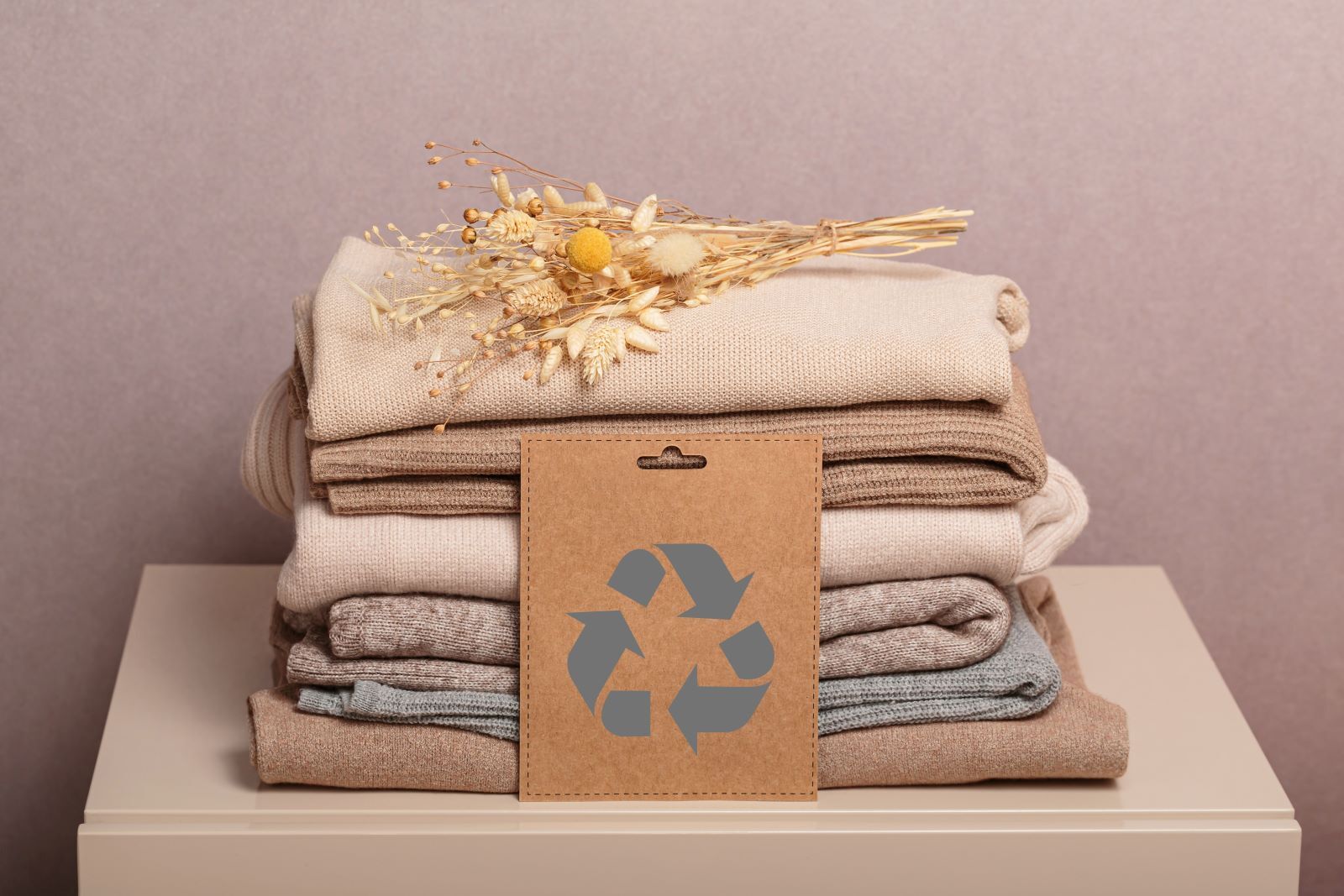
Image courtesy - Buzzing Media Studios
Ever thought about the role fashion plays, the things we buy, and the brands we support financially, in the sustainability of the earth? The apparel business, it turns out, is responsible for 10 percent of global annual carbon emissions.
Let's take a look at how we can produce less textile waste and embrace slow fashion. First things first.
What Is Slow Fashion?
Slow fashion, in layman's terms, is the antithesis of fast fashion, and is seen as a continuation of sustainable fashion. You may have come across the term if you have ever looked for environmentally friendly and sustainable clothing. It is, however, frequently more expensive than fast fashion due to the added labour and costs involved.
Slow fashion, like slow living, is countercultural; it contradicts existing societal conventions such as "more is more" and "faster and cheaper is better." We are all a part of the fast-fashion problem before we finally become proponents of slow fashion. Case in point: I bought far more than I wore and donated most of it to either the underprivileged or thrift stores, and I'm almost certain my old garments are probably sitting in a landfill. Guilty.
Slow fashion combines a brand's practices with a customer's shopping habits. Slow, ethical, and sustainable fashion all describe efforts toward an aspirational goal, rethinking our relationship with clothes. The movement strives to develop an industry that benefits both the environment and all people.
How Is Slow Fashion Related to Ethical and Sustainable Fashion?
When it comes to the health of our planet, fashion has often been pointed at. There are, however, ways to stay fashionable and on trend while not contributing to global warming or human rights violations. Slow, sustainable, and ethical fashion is the answer.
It can be confusing to understand the meaning behind these terms, especially when organisations often have varied answers and the terms tend to overlap. We'll try our best to break it down in the easiest way possible.
Slow Fashion
Slow fashion is what fast fashion is not. It simply means a fashion awareness and approach that takes into account the processes and resources needed to create apparel. It is based on the idea of reducing our consumption of clothes by prioritising the environment. It considers everything from style to design, quality to even the intention behind a piece's creation, and it promotes buying higher-quality garments that will last longer.
Ethical Fashion
Slow fashion is directly concerned with ethical issues in the fashion industry. Human and animal rights must always be protected as a result. How can you take part? Always choose a company that hires people in a fair and legal manner. A good working environment is required, and that encompasses fair pay, equitable treatment, and, of course, the absence of child and forced labour.
Sustainable Fashion
Sustainable fashion can be defined as clothing, shoes, and accessories that are created, marketed, and used in the most environmentally and socioeconomically responsible manner possible. Adopting organic, recycled, or repurposed fibres and materials, eliminating toxic chemicals and dyes, decreasing energy and water usage and waste, and choosing low-impact options wherever available, all of this is part of sustainable fashion.
Slow fashion and sustainable or ethical fashion, in reality, have a lot in common. They are sister movements with similar general principles. The primary difference is that slow fashion focuses more particularly on minimising consumption and manufacturing.
These terms are frequently grouped together under "conscious fashion." However, not all sustainable fashion companies are ethical, and not all slow fashion companies are sustainable. That is why it is important to understand the distinction.
Companies that fall under the conscious fashion label are frequently quite open about their supply chain, production, and labour conditions. Customers are aware of exactly what they are paying for. However, many businesses are jumping on the environmental bandwagon and making false claims about their sustainable practices. This is known as greenwashing, the practice of making an unsubstantiated or misleading claim about the environmental benefits of a product, service, technology, or company practice.
How Did Slow Fashion Become a Movement?
Now that slow fashion is under the effect of a snowball movement, it's surprising that it was somehow started by the hippies in the 1950s. They appreciated locally grown, handmade, and pesticide-free items, and were among the first to incorporate sustainable fashion into current culture. They also wore used clothing, rejecting the mass-production culture that had ruled America. The hippie fashion movement stood in opposition to social standards such as mass consumerism, materialism, and capitalism.
The slow fashion movement, however, is greatly influenced by the slow food movement, which spawned a slew of "slow" movements, including slow fashion, slow cities, and more. In 2007, the term "slow fashion" was actually coined by accident. Following the slow food movement, it was invented by Kate Fletcher of the Centre for Sustainable Fashion. Fletcher identified a need for a slower pace in the fashion sector, similar to the slow food trend. And that's how this movement came into play. It led to a wave of change across the fashion industry in the last decade or two, with a growing number of firms rejecting the ideals of fast fashion in favour of a more environmentally friendly approach to clothing production.
"Slow fashion is about choice, information, cultural diversity and identity. Yet, critically, it is also about balance. It requires a combination of rapid imaginative change and symbolic (fashion) expression as well as durability and long-term engaging, quality products. Slow fashion supports our psychological needs (to form identity, communicate and be creative through our clothes) as well as our physical needs (to cover and protect us from extremes of climate)."
Kate Fletcher, The EcologistHow You Can Be a Part of the Slow Movement
We can make every season a slow fashion season by choosing what we consume and how much of it we consume. If you want to start being a more thoughtful consumer when it comes to apparel, here are a few ideas.
Think Before Shopping
We know that running around naked is the most sustainable way of living, however, it isn't the most feasible option. So why not keep certain things in mind before shopping: consciously buy less and limit your consumption, reduce the frequency of your shopping trips, and opt for secondhand, thrifted, and vintage items.
Think While Shopping
You do research about a brand when you buy a car, right? You don't think only of the present; you consider the car's durability and features for the next 10 to 15 years. So why not do the same while buying clothes? Keep in mind that your money is a vote for the planet you want. Therefore, consider these things while shopping: fast fashion brands should be avoided; to prevent greenwashing, do your homework and look for brand transparency (do they tell you everything you need to know about their raw materials, manufacturing, supply chain, pricing, and so on?); look for brands and products that are both ethical and sustainable; smaller local brands and businesses should be considered; invest in higher-quality items that will last longer; and choose timeless patterns and styles over seasonal trends.
After You've Shopped
Love the things that you own. You can appreciate those few things more if you have less. Don't treat anything as if it were a toy. To keep products out of landfills, think about the product life cycle: repair, donate, upcycle.
Time's Up for Fast Fashion
Researchers and fashion experts have been calling for a radical makeover of the fashion industry, which accounts for around 10 percent of global pollution. The fast fashion paradigm, which is based on low-cost production, frequent consumption, and short-term garment use, is contributing to environmental degradation.
So here it is one more time: open your wardrobe and count the number of clothes you haven't worn in the last two months. Maybe that will make you realise that you, too, are a part of the problem.
Let's embrace slow fashion and change the world, one garment at a time.